Search engine optimization is no longer optional. It is a core part of digital growth. According to recent industry reports, over 68% of online experiences begin with a search engine, and more than 90% of pages get zero organic traffic because they are not optimized properly. That’s where the top 10 SEO tools come into play.
If you’re struggling to rank, track keywords, or understand your competition, you’re not alone. Many beginners feel overwhelmed by SEO. The good news is that the right tools can simplify everything. This guide breaks down the top 10 SEO tools you should use, along with practical insights and real-world examples.
Why You Need the Top 10 SEO Tools
SEO today is data-driven. Guesswork doesn’t work anymore. Whether you run a blog, an eCommerce store, or a business website, you need tools to:
- Find the right keywords
- Analyze competitors
- Track rankings
- Fix technical issues
- Improve content quality
Without these tools, you’re essentially flying blind.
Top 10 SEO Tools You Should Use in 2026
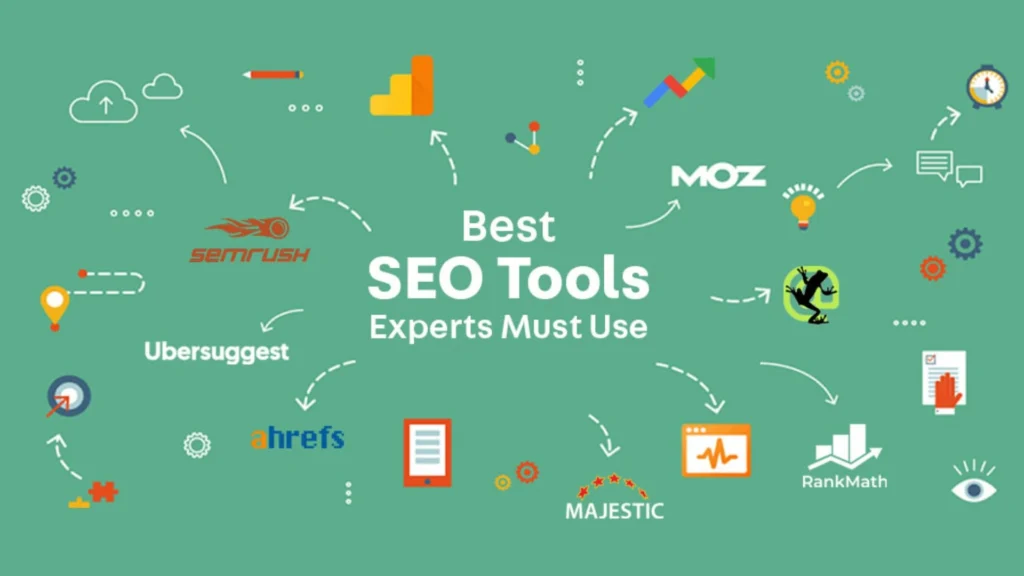
Let’s explore the top 10 SEO tools that professionals rely on.
1. Google Search Console
This is a must-have free tool directly from Google. It helps you understand how your website performs in search results.
Key features:
- Track impressions and clicks
- Identify indexing issues
- Submit sitemaps
- Monitor Core Web Vitals
Real-world use case:If your blog suddenly loses traffic, Google Search Console can show which pages dropped and why.
2. Google Analytics 4 (GA4)
While not purely an SEO tool, it plays a huge role in understanding user behavior.
What you can do:
- Track organic traffic
- Measure engagement
- Analyze conversions
Insight:You can see which pages attract the most organic users and optimize them further.
3. Ahrefs
Ahrefs is one of the most powerful tools in the SEO world.
Best for:
- Backlink analysis
- Keyword research
- Competitor insights
Example:If your competitor ranks #1, Ahrefs shows their backlinks and keywords so you can reverse-engineer their strategy.
4. SEMrush
SEMrush is an all-in-one SEO platform used by marketers worldwide.
Features include:
- Keyword tracking
- Site audit
- Content optimization
- PPC insights
Stat:Over 10 million marketers use SEMrush globally.
5. Ubersuggest
A beginner-friendly tool created by Neil Patel.
Why it’s useful:
- Easy keyword suggestions
- Content ideas
- Domain overview
Best for:Small businesses and beginners who want affordable SEO solutions.
6. Moz Pro
Moz is known for its simple interface and reliable metrics.
Key features:
- Domain authority tracking
- Keyword explorer
- Site crawl
Use case:Great for understanding your website’s authority compared to competitors.
7. Screaming Frog SEO Spider
This tool is essential for technical SEO audits.
What it does:
- Crawls your website
- Finds broken links
- Identifies duplicate content
- Checks meta tags
Example:If your website has 500 pages, Screaming Frog can scan all of them in minutes.
8. Surfer SEO
Surfer SEO focuses on content optimization.
Features:
- NLP-based recommendations
- Keyword density analysis
- Content scoring
Practical insight:It tells you exactly how many headings, keywords, and words your content needs to rank.
9. Yoast SEO (for WordPress)
If you use WordPress, Yoast is essential.
Benefits:
- On-page SEO optimization
- Readability analysis
- Meta tag control
Example:It guides you in real time while writing blog posts.
10. AnswerThePublic
Perfect for finding user questions and search intent.
What it shows:
- Questions people ask
- Long-tail keywords
- Search intent insights
AEO advantage:This tool is great for optimizing content for featured snippets and voice search.
How to Choose the Right SEO Tool
Not every tool is right for everyone. Here’s how to decide:
For beginners:
- Ubersuggest
- Yoast SEO
For advanced users:
- Ahrefs
- SEMrush
For technical SEO:
- Screaming Frog
For content optimization:
- Surfer SEO
How the Top 10 SEO Tools Improve Rankings
Using the top 10 SEO tools can directly impact your rankings. Here’s how:
1. Better Keyword Targeting
Tools help you find keywords with high search volume and low competition.
2. Stronger Content Strategy
You can create content that matches user intent.
3. Technical Improvements
Fix issues like slow speed, broken links, and crawl errors.
4. Competitor Advantage
Understand what competitors are doing and do it better.
Latest SEO Trends You Should Know
To get the most out of the top 10 SEO tools, you must follow current trends:
- AI-driven search is rising
- Voice search is growing fast
- User experience matters more than ever
- Content quality beats quantity
Fact:Google now prioritizes helpful content over keyword stuffing.
Common Mistakes to Avoid
Even with the best tools, mistakes can hurt your rankings.
Avoid these:
- Overusing keywords
- Ignoring technical SEO
- Copying competitors blindly
- Not updating old content
Conclusion
The top 10 SEO tools are not just optional tools. They are essential for anyone serious about ranking on search engines. They help you make smarter decisions, save time, and grow faster.
If you’re just starting, begin with free tools like Google Search Console and Ubersuggest. As you grow, invest in advanced platforms like Ahrefs or SEMrush.
Actionable takeaway:
Pick 2–3 tools from this list and start using them consistently. SEO is not about doing everything at once. It’s about doing the right things regularly.
With the right tools and strategy, you can turn your website into a powerful traffic-generating asset.
FAQ
1. What are the top 10 SEO tools for beginners?
Ubersuggest, Yoast SEO, and Google Search Console are great for beginners due to their simplicity.
2. Are free SEO tools enough?
Free tools are helpful, but paid tools like Ahrefs and SEMrush provide deeper insights.
3. Which SEO tool is best for keyword research?
Ahrefs and SEMrush are among the best for detailed keyword research.
4. How often should I use SEO tools?
You should use them weekly for tracking and monthly for detailed audits.
Also Read:
SEO Lead Generation Techniques To Grow Your Business
SEO Best Practices to Improve Your Rankings
International SEO Best Practice for Global Online Success