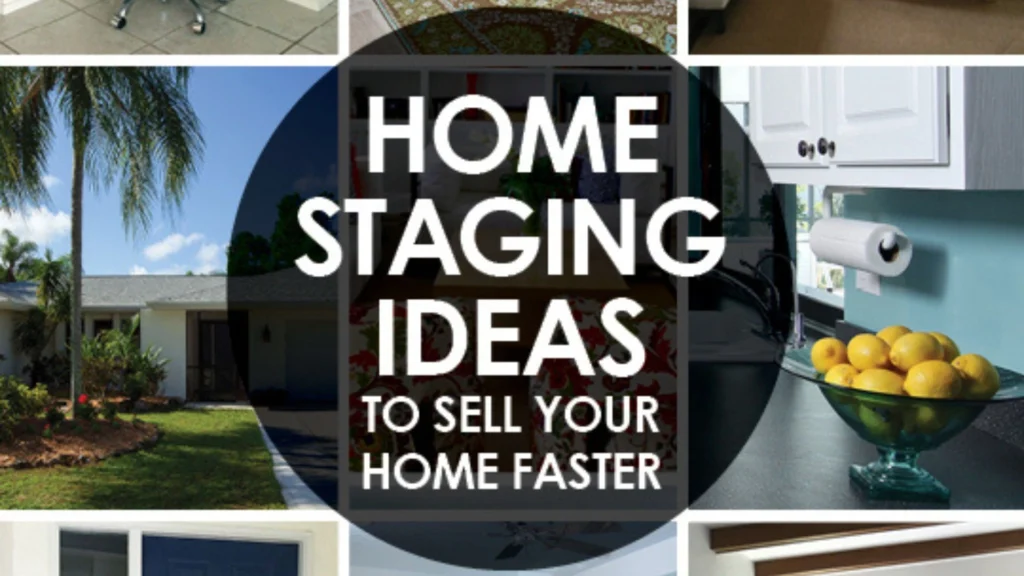
Pictures sell houses. For real estate pros and home stagers, Pinterest offers a goldmine to collect and show staging ideas that turn curious browsers into serious buyers. This piece breaks down how to create Pinterest boards for real estate staging that get results: the importance of the platform, what numbers reveal ways to structure and boost boards content that clicks concrete targets, and upcoming visual staging shifts in the next few years.
Real impact of Pinterest on staging
Pinterest stands out from other social media platforms as a tool for planning. People turn to it when they’re dreaming up future projects: renovating, remodeling, buying a new house, or giving a room a makeover. The site’s reach is huge: Pinterest said it has more than 500 million users each month, which shows that a lot of people are looking for home and design inspiration
Home staging keeps showing clear benefits. Reports and surveys from pros find that staged homes sell quicker and often get higher offers — agents say staging has an impact on sale price increases of 1–10% in many deals, and lots of sellers see less time on market after staging. These real-world results are why agents who use visual platforms like Pinterest can turn style into real value.
What makes a Pinterest board work well for real estate staging ideas
A Pinterest board helps when it’s focused, visual, and simple to browse. For real estate staging, that means boards should be set up based on what buyers need, not just generic labels. Think about organizing like this:
- “Midtown Loft Staging — Urban Entertaining” and similar boards showcase neighborhoods and lifestyles
- “Minimalist Living Rooms — Small Space Styling” and related boards focus on individual rooms
- “Starter Home Staging — Budget-Friendly Ideas” and comparable boards target specific price ranges or buyer types
- “Spring Curb Appeal & Front Porch Styling” and alike boards highlight seasonal staging
- “Listing Photography — Lighting & Vignettes” and similar boards cover photography and lighting techniques
These focused boards allow potential buyers and referral partners to find what they need, turning your profile into a searchable collection of staging solutions.
Tips to create Pinterest boards that catch buyers’ attention
- Pick a clear name and summary for your board: Keep it simple and work in your main word – like “Real Estate Staging Ideas – Warm Family Houses.” Tell folks what they’ll see and add 1-2 key search words to the description.
- Put your best pictures and tall pins at the top: Tall images do better on Pinterest since most people use phones. Add at least one pro photo to each board to make it look top-notch.
- Blend your own stuff with pins from others: Show off your work with photos of listings, before-and-after staging pics, and quick staging videos. Round out the board and make it more interesting by adding pins from designers, furniture makers, and DIY bloggers.
- Create brief pin captions that describe the staging concept: Be practical: mention the styling technique, its effectiveness, and the target audience (e.g., “Place a woven rug to add warmth to cool-toned hardwood — ideal for sparse living areas”).
- Organize boards with sections: For boards covering broad topics (like “Kitchens”), include sections (e.g., “Compact Kitchen Designs,” “Countertop Decoration,” “Open Shelf Arrangements”). This makes it easier for users to browse .
- Pin , not all at once: The algorithm prefers steady activity. Add a handful of pins each week instead of uploading everything in one go.
Content formats that perform best to inspire staging
Pinterest users often save ideas to check out later so make pins that people want to keep and look at again.
- Before-and-after sliders and carousel pins: These show results. A staged room next to the empty version tells the staging story at a glance.
- Short vertical videos (15–60 seconds): Walk-throughs, styling tips, and quick “3 ways to style a mantle” clips work well and increase time on pin.
- How-to graphics and checklists: Create a “Staging Checklist for Showings” pin that users can save or print.
- Mood boards and color schemes: Buyers enjoy seeing complete-system thinking — fabrics, paint, and lighting that complement each other.
- Shop-the-look pins: Connect to budget-friendly furniture or decor items you used (affiliate links help earn money but maintain honesty and openness).
Pins that serve as resources (checklists, mini-guides) tend to get saved and shared, which boosts long-term traffic to your listings or staging portfolio.
Hard facts: what the numbers show
To make practical choices here are the key recent figures to keep in mind:
- Platform size and growth: Pinterest reported over 500 million active users in recent quarters showing steady audience growth and interest in visual content.
- Staging has an impact on sale price and time on market: Surveys and reports from the industry show that staged homes often get higher offers and sell faster. A recent national profile found that almost 30% of agents said staging led to a 1–10% bump in the sale price, while about half saw homes spend less time on the market after staging.
- Consumer planning behavior: People who use Pinterest often turn to it to plan their home and design projects. Searches about homes and real estate stay high, which shows people want to take action (save ideas, buy stuff, fix up their place). Pinterest’s reports on trends reveal that searches about homes and “how-to” content for home projects are still top picks.
These figures show why spending time to build top-notch boards for “Pinterest boards for real estate staging inspiration” can boost listings: the users are present, they’re planning, and staging helps sell properties.
SEO and findability: how to make your boards easy to find
Pinterest works as a search engine too so think like an SEO pro:
- Put natural keywords in board titles and pin descriptions: Add phrases buyers might look for, like “small living room staging ideas” or “modern farmhouse staging.”
- Include alt text for images when you can: This helps with accessibility and search relevance.
- Group . Put boards in the right Pinterest groups and add 3–5 relevant hashtags.
- Connect pins to useful landing pages: A pin from a staged listing should take you to the listing page, a staging case study, or a staging checklist you can download to grab attention.
- Promote across other platforms: Put pins on your website’s listing pages and include them in email newsletters to reach more people.
When you use Pinterest like a search-first platform, your boards turn into discovery channels that guide people to your listings and lead magnets.
How agents and stagers can check their progress
Keep an eye on these signs to see the value:
- Saves and repins: High save numbers show ideas are hitting the mark and will keep spreading.
- Outbound clicks: How many people click from your pin to the listing or staging case study? This shows direct leads.
- Profile views and followers: Growing numbers hint that your portfolio is catching on.
- Leads coming from Pinterest: Use UTM tags on links and a simple entry field in your CRM to note Pinterest as the source.
- Engagement on embedded pins: When you add pins to your website, check time on page and form conversions to see if the visual content boosts lead actions.
A thorough yet basic tracking setup changes “inspiration” into measurable marketing activity.
Real-world Pinterest board examples and templates
Here are some board ideas you can build this afternoon:
- “Move-In Ready: Staged Starter Homes”: Pictures showing budget-friendly staging, quick furniture changes, and easy decluttering tricks.
- “Luxury Listing Staging — High-End Vignettes”: Highlight textures, art placement, and scale to appeal to upscale buyers.
- “Curb Appeal Fixes — Front Yard & Entryways”: Before/after shots of exterior staging and seasonal front yard improvements.
- “Open House Styling Checklist”: Pins linking to printable checklists and short prep videos.
- “Tiny Home Staging — Smart Storage & Scale”: Ideas to stage small listings to maximize space.
Each board should mix original photos, curated visuals, videos, and at least one resource-type pin (checklist or guide) to encourage saves.
Monetization and partnerships
Pinterest boards create simple ways to make money:
- Affiliate partnerships for decor and furniture can make referral income when you link to staging pieces.
- Sponsored pins or collaborations with local furniture rental companies show staged inventory and create a referral loop.
- Lead magnets like a downloadable “7-Day Staging Plan” can turn pinners into email subscribers and showings.
Be open and straightforward: make sure to reveal affiliate links and put the customer’s confidence first.
Future trends to watch
Pinterest and the staging world are changing together. Keep an eye on these shifts and tweak your boards to match:
- Pins you can buy from and business hookups: Pinterest keeps building ways to shop, which will make it simpler for users to get items straight from idea boards. Agents and stagers who label styled stuff will make it quicker to go from idea to purchase.
- Videos leading the way: Quick, up-and-down walkthroughs and “how-to” styling snippets are becoming the norm; add short clips showing staging moves and explain the “why” behind them.
- Local search importance: Buyers now look for styles specific to neighborhoods. Boards about local architecture and way of life will become more valuable. Build boards that connect to neighborhoods and nearby attractions.
- Insights from data on trends: Websites now give more predictions (colors, materials, layouts) based on actual search patterns — try out staging styles using these insights to appeal to current buyers.
Getting ready for these changes means trying short videos, adding tags to products, and improving boards to match local buyer types.
Mistakes you should not make
- Too much curation without original content: Boards with only other people’s pins lack evidence; add your own staged photos.
- Board themes that are too broad: “Home decor” doesn’t cut it — specific boards get the right saves.
- Failing to add links: Each pin should take people somewhere helpful — a product page, a portfolio, or a way to sign up.
- Not thinking about phones: Most people browse on mobile so tall images and brief descriptions are key.
Steer clear of these mistakes and your boards will do more than just look good.
Conclusion
Pinterest boards to inspire real estate staging” are more than just idea collections — they serve as a strategic searchable portfolio that helps buyers picture themselves living in a space and shows agents the value of staging. Pinterest boasts over 500 million monthly users, and clear proof exists that staging cuts down the time a property spends on the market and can boost offers. This platform offers a practical way to turn visual creativity into measurable results.
Create specific boards, pin both original and curated content, use tall images and short videos, and monitor saves and outbound clicks to show value. As shopping features and video formats grow, agents who view Pinterest as a tool for discovery — not just a picture gallery — will attract more attention, get more showings, and in the end, close more deals.
FAQs
- How many boards should an agent create to inspire staging?
Focus on quality, not quantity. Begin with 5–8 well-defined boards (neighborhoods, rooms, price ranges curb appeal) and grow as you add unique pins and resources.
- Can I use client photos on Pinterest?
Yes — if they allow it. Always get written approval before sharing client photos, and think about blurring personal items or taking out identifying details if a client wants privacy.
- How long until Pinterest has an impact on visible leads for listings?
The time frame changes based on the market and how consistent you are. Real estate agents who pin often, add useful resources, and connect to listing pages notice significant traffic in 4–8 weeks. Turning that traffic into actual showings depends on your call-to-action and how you follow up.
- Is it worth paying for promoted pins?
Start with organic reach first. If a pin does well on its own, giving it a boost can increase its targeted reach. For instance, you could promote a popular “open house styling” guide to people near your market area.
Also Read:
How to Build a Personal Brand as a Realtor on LinkedIn
Facebook Ads Targeting Strategies for Student Enrollment
How to Do a Reverse Video Search
How to Find Serp Features Opportunities